Healthy dessert swaps that cut added sugar for kids
We may earn a commission from links on this page, at no extra cost to you. As an Amazon Associate we earn from qualifying purchases. How this works
Our quick picks
| Pick | Best for | Where to buy |
|---|---|---|
| Silicone popsicle moulds | Best for frozen fruit treats | Amazon.caAmazon.com |
| Silicone gummy moulds with a dropper | Best for homemade gummies | Amazon.caAmazon.com |
| Unsweetened sunflower seed butter | Best for nut-free treats | Amazon.caAmazon.com |
1. Silicone popsicle mouldsBest for frozen fruit treats
- What we like
- Reusable, and they let you freeze blended fruit or yogurt instead of buying sweetened ice pops.
- Watch out for
- Check the size. Small moulds suit small appetites better.
The single most useful tool for swapping store-bought frozen treats for homemade ones.
2. Silicone gummy moulds with a dropperBest for homemade gummies
- What we like
- Needed for our fruit juice gummies. The dropper makes filling them a job kids can help with.
- Watch out for
- Tiny shapes are fiddly. Larger moulds are quicker to fill.
A small, inexpensive tool that makes homemade gummies look like the real thing.
3. Unsweetened sunflower seed butterBest for nut-free treats
- What we like
- A base for our nut-free chocolate cups and energy balls. Unsweetened versions are available, so you control the sugar.
- Watch out for
- Some brands add sugar, and allergen statements vary. Check the label every time.
Useful for families who need nut-free snacks for school or Halloween parties.
Cutting back on sugar doesn’t have to mean cutting out dessert. Small swaps, made often, add up. This guide covers practical changes for everyday treats and special occasions like Halloween, with recipes you can make at home.
A quick note on expectations: most of these swaps lower added sugar, they don’t remove sugar. Fruit, dried fruit, maple syrup and honey all still contain sugar. These are better treats, not health foods.
Why it’s worth swapping
Health guidelines in both countries suggest keeping sugar low for kids. The American Heart Association recommends children aged 2 to 18 have no more than 25 grams (about 6 teaspoons) of added sugars a day, and no added sugars for children under 2. Canada’s Dietary Guidelines recommend keeping free sugars under 10% of daily calories, and note that you don’t need sugar substitutes to do it. They recommend choosing nutritious foods and drinks that are unsweetened instead.
For the full picture, read our guide on how much sugar kids should have.
Swap 1: let fruit do the sweetening
The simplest swap is to build treats around fruit, which brings its own sweetness along with fibre.
- Instead of store-bought ice pops, blend ripe fruit and freeze it. Our no-added-sugar fruit popsicles use only fruit, with an optional yogurt layer.
- Instead of fruit snacks, try our strawberry fruit leather. It’s made from blended fruit baked low and slow, with no sugar needed.
- Instead of a candy bar, try frozen chocolate banana pops. The banana does most of the work, with a thin coat of dark chocolate.
Tip: the riper the fruit, the sweeter the result. Bananas with brown spots and soft, fragrant berries need less help.
Swap 2: make your own candy
Homemade versions of favourite candies let you choose the ingredients. They won’t always have less sugar than the original, but they skip corn syrup and artificial colours, and you decide how sweet to make them.
- Gummies: our fruit juice gummies use 100% juice and gelatin, with optional honey or maple syrup.
- Peanut butter cups: our sunflower butter chocolate cups are a nut-free take made with dark chocolate.
- Marshmallows: our maple marshmallows are sweetened with maple syrup instead of corn syrup and white sugar. They’re still very much a treat.
- Chocolate bars: our dark chocolate fruit and seed bark is topped with dried fruit and seeds, and kids can decorate it.
Swap 3: go for creamy and cold
Frozen desserts are an easy place to cut sugar.
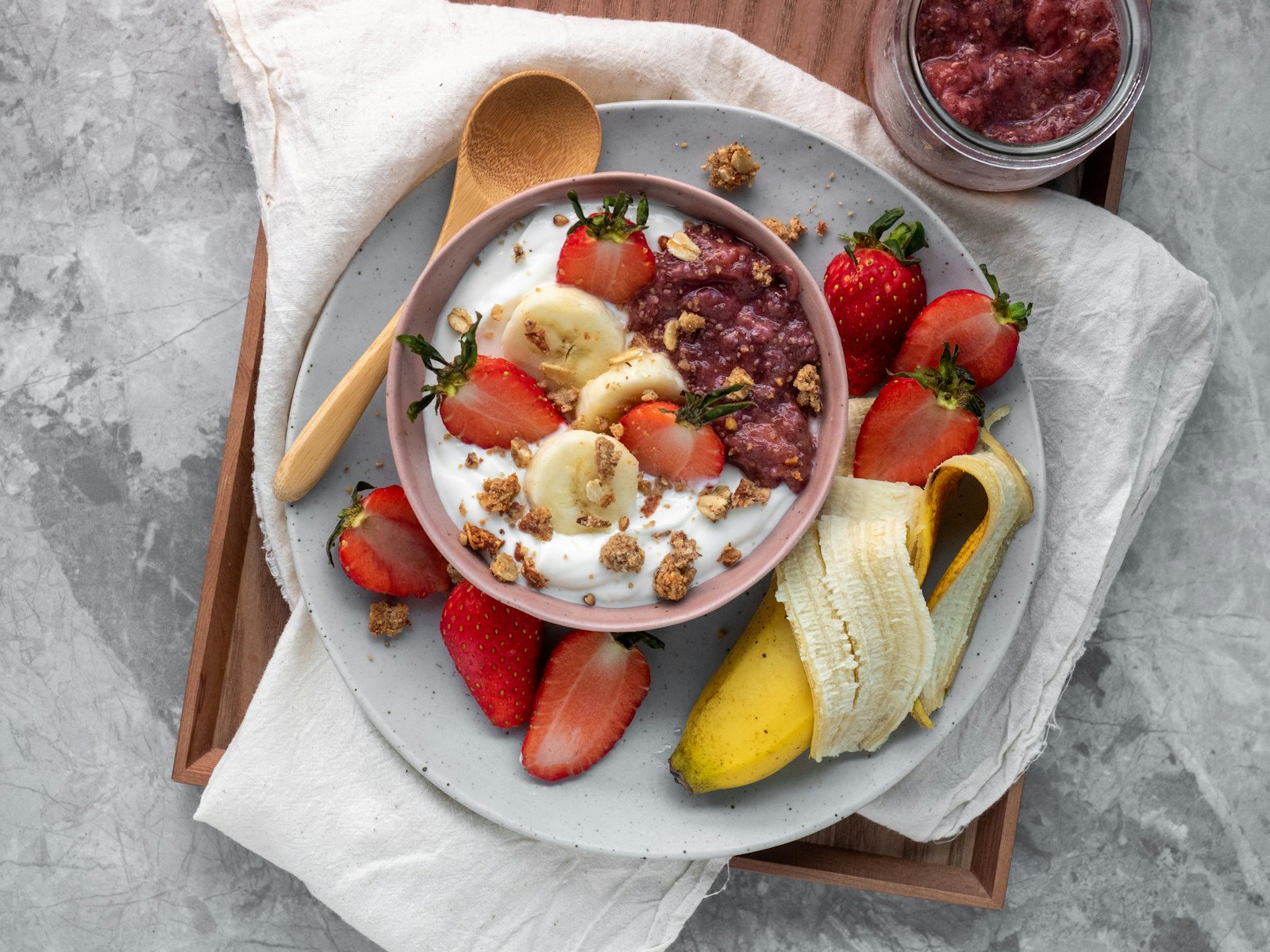
- Instead of ice cream bars, make frozen yogurt bark. Start with plain Greek yogurt and add berries, so you can control how much sweetener goes in.
- Instead of flavoured yogurt, stir fruit into plain yogurt. Flavoured yogurts often have added sugar, which you can check on the label. In the US, look at the “Includes Added Sugars” line. In Canada, compare the Sugars line with the plain version of the same yogurt, since Canadian labels show total sugars.
Swap 4: snacky treats that aren’t candy
Some cravings are really for something crunchy or chewy.
- Instead of caramel corn, try our maple cinnamon popcorn, which has a light glaze rather than a thick coating.
- Instead of granola bars or cookies, make our date and oat energy balls. Dates sweeten them, so there’s no added sugar, and there’s a nut-free option.
Swap 5: rethink drinks
Drinks are one of the biggest sources of sugar for kids. The CDC lists sugar-sweetened beverages as a leading source of added sugars in the US diet, and Health Canada notes that sugary drinks include soft drinks, fruit juice and sweetened milks.
- Offer water and plain milk as everyday drinks.
- Choose whole fruit over juice when you can. The American Academy of Pediatrics recommends no juice for babies under 12 months and no more than 4 to 6 ounces (120 to 180 ml) a day for children aged 1 to 6.
- For something special, try sparkling water with a splash of juice or a few slices of fruit.
Swap 6: change the portion, not the treat
Not every swap has to be a new recipe. Sometimes the easiest change is the amount.
- Serve dessert in smaller bowls.
- Buy smaller sizes of treats instead of family packs that invite grazing.
- Cut bars and brownies smaller and serve with fruit.
- Make treats part of a meal rather than an all-day snack. The American Dental Association suggests enjoying sweets with meals, when extra saliva helps rinse away sugars and acids.
Swap 7: lower sugar in your own baking
When you bake at home, you have control.
- Try reducing the sugar a little in recipes you know well and see whether anyone notices. Start small, as sugar also affects texture.
- Use mashed banana or unsweetened applesauce for some of the sweetness in muffins and quick breads.
- Add cinnamon, vanilla or citrus zest for flavour without extra sugar.
- Use dark chocolate chips in smaller amounts, or chop a bar so the chocolate spreads further.
Good to know
- Honey: the CDC says not to feed honey to children younger than 1 year old, because it can contain bacteria that cause botulism. Several of our recipes list honey as optional; use maple syrup or leave it out.
- Choking: the American Academy of Pediatrics lists hard, gooey or sticky candy, popcorn, nuts and seeds, and marshmallows among foods young children can choke on. Cut treats small and supervise young children.
- Allergies: seed butters, chocolate and dried fruit can carry allergen warnings. Read labels every time, as ingredients can change.
- Keep it positive. Treats can still be treats. Swaps work best when they’re a normal part of family food, not a punishment.
For more ideas, browse our make-it-at-home recipes and healthier Halloween guides.
Sources
- Vos MB, et al. Added sugars and cardiovascular disease risk in children: a scientific statement from the American Heart Association. Circulation, 2017.
- Health Canada: Canada’s Dietary Guidelines, Section 2: Foods and beverages that undermine healthy eating
- Centers for Disease Control and Prevention: Added sugars
- American Academy of Pediatrics, HealthyChildren.org: Where we stand: fruit juice
- American Academy of Pediatrics, HealthyChildren.org: Choking prevention
- American Dental Association, MouthHealthy: Halloween survival guide
- Centers for Disease Control and Prevention: Preventing botulism